
Call us now :07971189767
 Send Inquiry
 Send Inquiry
Electric Automated Testing Equipment
Price 100000 INR/ Piece
MOQ : 1 Piece
Electric Automated Testing Equipment Specification
- Color
- Black
- Material
- Steel
- Voltage
- 240 Volt (v)
- Usage
- Industrial & Commercial
- Product Type
- Electric Automated Testing Equipment
- Power Supply
- Electric
- Operate Method
- Automatic
- Application
- Testing
- Control Mode
- PLC Control
Electric Automated Testing Equipment Trade Information
- Minimum Order Quantity
- 1 Piece
- Payment Terms
- Cash Advance (CA)
- Supply Ability
- 3000 Pieces Per Month
- Delivery Time
- 1 Week
- Main Domestic Market
- All India
About Electric Automated Testing Equipment
Electric Automated Testing Equipment refers to specialized equipment used in the manufacturing or quality control processes to perform automated electrical testing of electronic components, circuits, or devices. It helps ensure the functionality, reliability, and performance of the tested items. This is capable of testing various electrical parameters, such as voltage, current, resistance, capacitance, inductance, frequency, and more. Moreover, the Electric Automated Testing Equipment offer advanced features for fault diagnosis and analysis, including waveform capture, data logging, and statistical analysis. These features can assist in identifying and troubleshooting issues during the testing process.
| Disc Diameter | 7x2x3 Feet |
| Brand | Exeliq |
| Power Consumption | Electric |
| Warranty | 1 year |
| Frequency | 50Hz |
| Voltage | 240 V |
| No Load Speed | 1400 RPM |
| Country of Origin | Made in India |
| Usage/Application | Testing |
Seamless Automated Operation
This testing equipment features an entirely automatic operate method, eliminating manual processes and thus improving test consistency and speed. The integration of PLC control technology ensures precise management of testing cycles, minimizing human error and boosting productivity for users across diverse industries.
Engineered for Versatility and Durability
Manufactured using high-quality steel, the equipment combines longevity with robust performance. Its 240 Volt power supply makes it ideal for both industrial and commercial environments, supporting rigorous usage while maintaining operational safety and reliability.
Trustworthy Service and Nationwide Supply
Developed and distributed by leading manufacturers, service providers, and suppliers in India, this automated testing equipment promises comprehensive customer support, installation assistance, and after-sales service. Customers benefit from streamlined procurement and reliable assistance throughout the product lifecycle.
FAQ's of Electric Automated Testing Equipment:
Q: How does the automated testing equipment operate in industrial or commercial settings?
A: The equipment functions automatically through a PLC (Programmable Logic Controller) control system, which sequences and manages testing protocols efficiently, reducing the need for manual supervision and ensuring standardized processes for high-volume industrial and commercial use.Q: What are the main benefits of using this automatic testing equipment?
A: Key benefits include improved test accuracy, consistent results, reduced manual labor, and enhanced productivity. The PLC-controlled operation maintains precise test conditions, while robust steel construction ensures long life and reliability under demanding environments.Q: When should a business consider implementing automated testing equipment?
A: Enterprises should consider deploying this equipment when manual testing becomes time-consuming, error-prone, or when scaling up operations to increase throughput and consistency is a priority. Automated systems are particularly valuable in environments requiring frequent and repeatable quality checks.Q: Where is the electric automated testing equipment manufactured and supplied?
A: This equipment is engineered, manufactured, and supplied by leading providers in India. Businesses can purchase from recognized manufacturers, suppliers, or seek installation and maintenance support from authorized service providers across the country.Q: What is the process for setting up and operating the equipment?
A: Upon procurement, the equipment is installed at the designated facility. Integration with the existing power supply (240 Volt) and calibration via the PLC system are handled by specialists. Once setup is complete, users initiate test protocols through the control interface, and the machine executes automated testing routines.Q: How should the equipment be maintained for optimal usage?
A: Regular maintenance involves periodic inspection of electrical connections, software updates for the PLC system, and physical checks of steel components. Service providers may offer scheduled maintenance or remote support to ensure ongoing operational efficiency and product longevity.Q: What types of testing applications can this equipment handle?
A: Designed for versatility, the automated testing equipment can accommodate a wide range of industrial and commercial test applications, including quality control, endurance testing, and compliance assessments for diverse manufactured goods.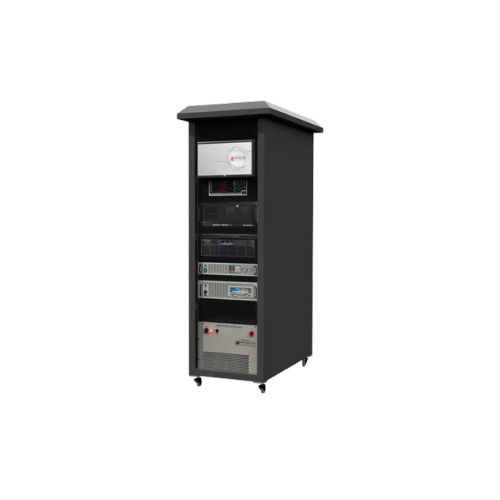
Tell us about your requirement

Price:
Quantity
Select Unit
- 50
- 100
- 200
- 250
- 500
- 1000+
Additional detail
Mobile number
Email

More Products in Automated Test Equipment Category
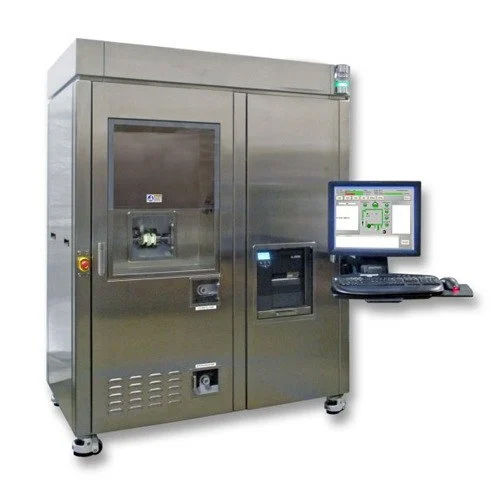
Automation RF Automated Testing Equipment
Price 550000 INR / Piece
Minimum Order Quantity : 1 Piece
Power Supply : Electric
Operate Method : Automatic
Application : Testing
Usage : Industrial & Commercial
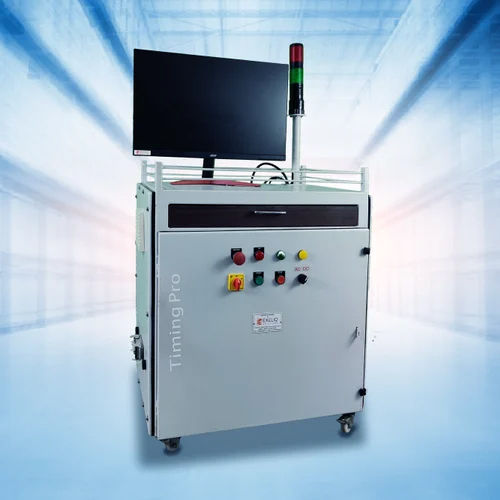
Industrial Automated Testing Equipment
Price 550000 INR / Piece
Minimum Order Quantity : 1 Piece
Power Supply : Electric
Operate Method : Automatic
Application : Testing
Usage : Industrial & Commercial

 Send Inquiry
Our Products
- 3D Printer Machine
- Digital Multimeter
- Digital Oscilloscope
- Drilling Machine
- Grinder Machine
- Current Converter
- Automated Test Equipment
- Measurement Services
- Vision Inspection System
- Software Training Service
- Channel Relay
- Power Supply
- Circular Saw
- Angle Grinder
- Cordless Screwdriver
- Milling Machine
- Frequency Meter
- Spot Welding Machine
- Desoldering Machine
- Tester Service
- Belt Sander
- Tower Lamp
- EV Specs
- Metallurgical Microscopes
- CNC Router

B.No. E-88, Sector-63,Noida - 201301, Uttar Pradesh, India

Mr Prince Agarwal
(Director )
Mobile :07971189767
 Send Inquiry
 Send SMS
Developed and Managed by Infocom Network Private Limited.
