
Call us now :07971189767
 Send Inquiry
 Send Inquiry
Inverted Metallurgical Microscope
Price 370000 INR/ Piece
MOQ : 1 Piece
Inverted Metallurgical Microscope Specification
- Weight
- 12-15 Kilograms (kg)
- Usage
- Industrial & Commercial
- Product Type
- Inverted Metallurgical Microscope
- Color
- White-Black
- Theory
- Metallurgical Microscope
- Light Source
- LED
Inverted Metallurgical Microscope Trade Information
- Minimum Order Quantity
- 1 Piece
- Payment Terms
- Cash Advance (CA)
- Supply Ability
- 3000 Pieces Per Month
- Delivery Time
- 1 Week
- Main Domestic Market
- All India
About Inverted Metallurgical Microscope
| Brand | Generic |
| Usage/Application | Laboratory |
| Is It Portable | Portable |
| Working Distance | 52 mm to 75 mm |
| Interpupillary Distance | 52 mm to 75 mm |
- Interpupillary Distance- 52 mm to 75 mm
- Weight- 12-15 Kg
- Mechanical Stage- 242 mm X 200 mm
- Diopter Adjustment Ring- +-5
Advanced Metallurgical Inspection
This specialized microscope is tailored for observing metals and alloys, enabling users to analyze microstructures with exceptional clarity. Its inverted design allows for the testing of larger, heavier specimens that are difficult to prepare for upright microscopes. Precise optics and LED lighting ensure that every detail is sharply rendered, making it invaluable in metallurgy and materials science.
Built for Industrial and Commercial Spaces
With a sturdy build weighing 12-15 kg, and an elegant white-black color scheme, this microscope seamlessly fits into both demanding industrial settings and modern commercial labs. The robust construction and reliable LED illumination guarantee consistent performance even in rigorous production environments.
FAQ's of Inverted Metallurgical Microscope:
Q: How is the Inverted Metallurgical Microscope used in industrial applications?
A: The microscope is primarily used for analyzing and inspecting metal surfaces, welds, and microstructures in industrial settings, helping to ensure material quality and integrity during manufacturing and quality control.Q: What is the benefit of an inverted design in this metallurgical microscope?
A: An inverted design allows for the examination of larger or uncut samples by placing them directly on the stage, reducing the need for extensive sample preparation and making the analysis of bulkier specimens more convenient.Q: When should I consider using this microscope in a laboratory or factory?
A: This microscope should be used whenever detailed metallurgical analysis, such as grain structure, phase identification, or quality assurance of metal products, is required in laboratory or industrial environments.Q: Where is this microscope manufactured and supported?
A: This microscope is manufactured, supplied, and serviced in India, ensuring easy accessibility to support, maintenance, and spare parts within the region.Q: What is the process for observing samples with the LED light source?
A: To observe samples, place the prepared metal specimen on the stage, adjust the focus, and select appropriate illumination with the built-in LED light, which ensures consistent and bright lighting for accurate analysis.Q: How does the LED light source improve sample analysis?
A: The LED light source provides stable, uniform illumination with minimal heat, which prevents sample damage and enhances clarity during prolonged observations.
Tell us about your requirement

Price:
Quantity
Select Unit
- 50
- 100
- 200
- 250
- 500
- 1000+
Additional detail
Mobile number
Email

More Products in Metallurgical Microscopes Category
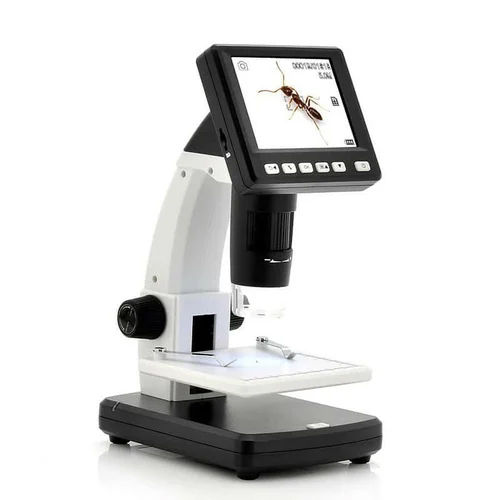
4.3 Inch Digital Microscope
Price 3900 INR / Piece
Minimum Order Quantity : 1 Piece
Light Source : 8 LED
Color : WhiteBlack
Product Type : Digital Microscope
Theory : Metallurgical Microscope
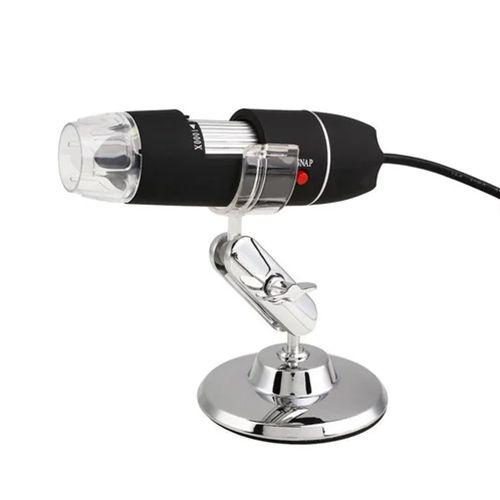
Portable Digital Microscope
Price 1150 INR / Piece
Minimum Order Quantity : 1 Piece
Light Source : LED
Color : BlackSilver
Product Type : Portable Digital Microscope
Theory : Metallurgical Microscope
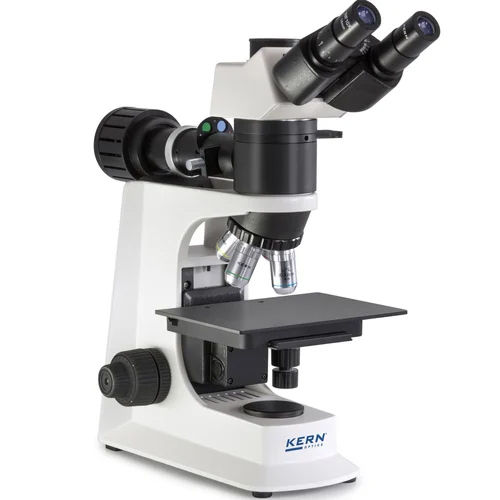
Portable Metallurgical Microscope
Price 250000 INR / Piece
Minimum Order Quantity : 1 Piece
Light Source : LED
Color : WhiteBlack
Product Type : Portable Metallurgical Microscope
Theory : Metallurgical Microscope
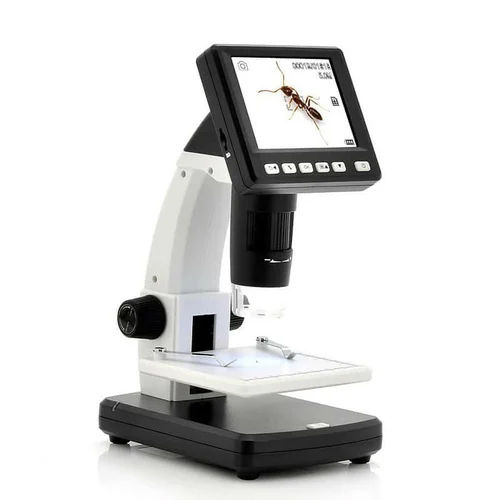
7 Inch Digital Microscope
Price 18700 INR / Piece
Minimum Order Quantity : 1 Piece
Light Source : 8 LED
Color : WhiteBlack
Product Type : Digital Microscope
Theory : Metallurgical Microscope

 Send Inquiry
Our Products
- 3D Printer Machine
- Digital Multimeter
- Digital Oscilloscope
- Drilling Machine
- Grinder Machine
- Current Converter
- Automated Test Equipment
- Measurement Services
- Vision Inspection System
- Software Training Service
- Channel Relay
- Power Supply
- Circular Saw
- Angle Grinder
- Cordless Screwdriver
- Milling Machine
- Frequency Meter
- Spot Welding Machine
- Desoldering Machine
- Tester Service
- Belt Sander
- Tower Lamp
- EV Specs
- Metallurgical Microscopes
- CNC Router

B.No. E-88, Sector-63,Noida - 201301, Uttar Pradesh, India

Mr Prince Agarwal
(Director )
Mobile :07971189767
 Send Inquiry
 Send SMS
Developed and Managed by Infocom Network Private Limited.
